Email: info@apswelding.com | Ph: 9601444111, 9601444222 

Welding Hoses, Pipes & Tubes

Premium Quality Accessories for Industrial Welding | Durable, Reliable & Cost-Effective Solutions

100%

Quality Assured

25+

Product Variants

Pan India

Supply Network

ISO

9001:2015 Mfg

Welding Hoses, Pipes & Tubes Overview

APS Welding offers a comprehensive range of high-quality hoses, pipes, and tubes designed for demanding industrial welding applications. Our products meet international standards and are compatible with all major welding equipment.

Hoses, Pipes & Tubes – Industrial Essentials for Safe and Efficient Fluid & Gas Transfer

Hoses, pipes, and tubes are essential components in various industrial, mechanical, and welding applications. Specifically, a well-chosen pipes tube system ensures efficient and safe transportation of gases, liquids, or air under varying pressures and environmental conditions. Whether you’re moving shielding gas for MIG/TIG welding or fluid in a production system, the right pipes tube delivers the durability and performance required. From flexible PVC to high-pressure TPR and reinforced rubber, each pipes tube type is engineered to meet unique demands. Choosing quality pipes tube products is critical to maintaining safety, operational efficiency, and long-term reliability.

 
The Importance of Quality Pipes Tube in Industrial and Welding Applications

Pipes Tube systems are the backbone of countless industrial operations—from fluid transfer in manufacturing to gas supply in welding environments. Choosing the right pipes tube not only ensures safety but also maximizes efficiency and equipment lifespan.


  What Is a Pipes Tube?

A pipes tube is a conduit designed to transport gases, liquids, or air in both low- and high-pressure applications. They come in various materials such as PVC, TPR (Thermoplastic Rubber), rubber, or metal, depending on the intended use. In welding operations, they are crucial for delivering shielding gases like Argon or CO₂ to the torch.

Product Specifications

Product DescriptionID (mm)OD (mm)PressureItem Code
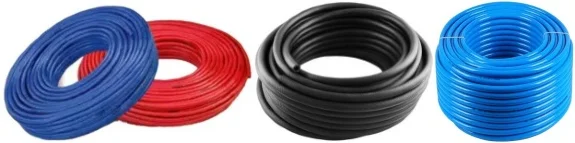
PVC Tube 5mm (Red/Blue/Black)5 mm8 mm2.5 Bar30600617
Welding Hose 8mm (Red/Blue)8 mm13 mm10 Bar35700240
TPR Hose 8mm8 mm13 mm10 Bar30600634
TPR Hose 10mm10 mm16 mm10 Bar30600287
TPR Hose 12mm12 mm18 mm12.5 Bar30600331
PIPES TUBES

  Applications Across Industries :

  • Welding gas delivery (O₂, Acetylene, Argon, CO₂)
  • Liquid and fluid handling in industrial processes
  • Pneumatic air systems in automation
  • Coolant circulation in machinery

 Choosing the Right Pipes Tube

When selecting a pipes tube, consider these key parameters:

  • Inner and Outer Diameter (ID/OD): To ensure correct fitment
  • Working Pressure: Measured in Bar or PSI, must suit the gas or fluid type
  • Material Type: PVC, rubber, TPR, or metal, based on chemical resistance and flexibility
  • Temperature Range: Ensure material won’t degrade or crack under working conditions

Using an underspecified pipes tube can lead to failure, leaks, or safety hazards.

 What Are Hoses, Tubes, and Pipes?

Hoses, tubes, and pipes serve as conduits for transporting various media, including:

  • Gases (e.g., oxygen, argon, acetylene, CO₂)

  • Liquids (e.g., water, oil, chemicals)

  • Air (used in pneumatic systems)

Though “pipe” and “tube” are often used interchangeably, they can differ in measurement standards: pipes are usually measured by internal diameter, while tubes are defined by outside diameter and wall thickness. Hoses are typically flexible and used for mobile or temporary connections.

 Common Materials Used

Choosing the correct material ensures system safety and performance. Here are some commonly used types:

  • PVC (Polyvinyl Chloride)
    Lightweight, corrosion-resistant, and cost-effective. Ideal for low-pressure air and water flow.
  • TPR (Thermoplastic Rubber)
    Flexible with good abrasion resistance. Used for gas supply and pneumatic systems.
  • Rubber Hoses
    Typically color-coded for gas applications, especially in welding. Known for flexibility and durability.
  • Metal Tubing (Steel or Copper)
    Used in permanent setups where strength and fire resistance are required.

 Important Selection Criteria

  • Working Pressure — ensure it can handle your system’s demands
  • Temperature Range — to prevent cracking, softening, or bursts
  • Diameter (ID/OD) — affects flow rate and system compatibility
  • Chemical Compatibility — especially for corrosive fluids or specialty gases
  • Flexibility & Bend Radius — essential for mobile or tight installations

 Applications Across Industries

These components are used in a wide variety of applications:

  • Welding & Cutting: For transporting shielding gases or fuel gases
  • Automation Systems: Supplying compressed air to pneumatic tools
  • HVAC Lines: Carrying coolant or refrigerants in heating and cooling systems
  • Chemical Plants: Transporting reactive or corrosive fluids safely

Each application has unique requirements that influence material and sizing decisions.

Maintenance Best Practices

  • Inspect regularly for cracks, brittleness, or leakage

  • Route properly to avoid sharp bends or pinch points
  • Replace components periodically, especially in high-wear environments
  • Use correct connectors and clamps to prevent leaks or bursts
  • Clearly label hoses for media identification and safety compliance